
A Debt Management Plan (DMP) is a structured approach to managing and repaying debt. In Singapore, it is typically arranged through a licensed debt advisory or credit counselling agency that negotiates with creditors on your behalf. DMPs generally cover certain debts, such as unsecured loans and credit card balances, but do not include car loans or other secured debts.
DMPs consolidate multiple unsecured debts into a single monthly payment, making repayment simpler and more predictable. Nonprofit organisations are usually the agencies that arrange DMPs, providing free or low-cost financial counselling and support. Instead of juggling multiple due dates and interest charges, you focus on one fixed instalment.
Understanding how these plans work is crucial before enrolling, as they may not suit everyone’s financial situation. Still, for many individuals, a DMP provides more than structure — it can also help avoid bankruptcy and reduce the stress commonly associated with overwhelming debt. Participating in a DMP may help you avoid declaring bankruptcy by offering a manageable repayment alternative.
How Debt Management Plans Work
A DMP simplifies repayment by combining unsecured debts, such as credit card balances and personal loans, into a single monthly payment. DMPs are typically designed for people who owe debts to two or more creditors.
Here are two common debt management plans that can help tackle unsecured loans with banks.
- Debt Management Programme (DMP)
- Debt Consolidation Plan (DCP)
Credit card issuers and other creditors may agree to waive fees and lower interest rates as part of the DMP negotiation, making repayment more manageable.
While agencies may charge a small monthly fee, this is often outweighed by the savings from lower interest rates and waived late fees negotiated as part of the plan.
Because of these benefits, DMPs are particularly effective for individuals struggling with high-interest unsecured debt and who need a practical, long-term repayment structure. The repayment period for most DMPs is typically three to five years.
For debtors struggling with other loans that cannot be consolidated under DMP or DCP — such as moneylender loans, buy-now-pay-later debts, or business loans — they may consider consolidating their debts under the Debt Repayment Scheme (DRS) instead.
The Debt Repayment Scheme (DRS) is often the last resort for debtors who do not qualify for DMP or DCP. It offers key benefits such as paused interest and affordable monthly repayments over a maximum of 57 months. Regulated by the government and sanctioned by the court, DRS assesses each debtor’s eligibility before approval. DRS helps employed individuals avoid bankruptcy through a structured and manageable repayment plan.
Benefits of Debt Management
The advantages of enrolling in a DMP or DCP include:
- Lower interest rates → Reduce the total cost of repayment and can help you pay off debt quickly.
- Avoidance of late fees → More of your payment goes toward reducing the principal balance.
- Simplified finances → Multiple bills are replaced with one monthly payment, easing stress.
- Clear repayment schedule → A structured timeline helps you fully repay your debts within a reasonable time frame, often allowing you to become debt-free sooner.
Together, these benefits make debt management an attractive option for those ready to regain financial control.
Drawbacks of Debt Management Plans
Despite the advantages, some drawbacks must be carefully considered:
- Impact on credit reports → Creditors may note your participation in DMP, which can affect access to new credit and reduce your available credit. This reduction in available credit can impact your credit utilisation ratio and overall financial flexibility.
- Restrictions on credit use → Most DMPs require you to close existing credit cards and avoid taking on new credit, further limiting your available credit and flexibility.
- Exclusions for secured loans → Mortgages, auto loans, and other secured debts are generally not included, so these must be managed separately.
Unlike bankruptcy, DMPs do not require you to sell certain assets to repay your debts. However, this is under the assumption that you are being sued and have to face the consequences before being officially declared bankrupt.
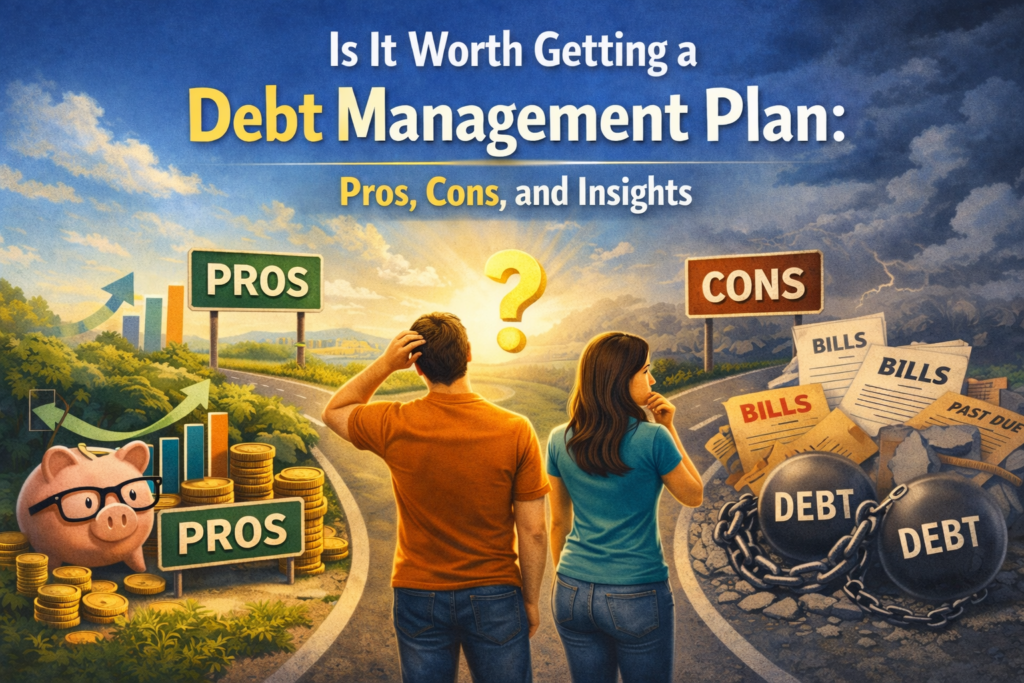
Because of these limitations, it is important to weigh the pros and cons before committing to a DMP and to enter the plan with realistic expectations.
Impact on Credit
A DMP can affect your credit score, but the impact is typically less severe than bankruptcy or debt settlement. How a debt management plan affects your credit report and score depends on several factors: while entering a DMP may not directly lower your credit score, creditors may add a note to your credit report indicating you are in a DMP, which can indirectly influence your credit standing.
If payments under the plan are reported to credit bureaus, they can help you build a positive repayment history. Over time, maintaining timely monthly payments and benefiting from reduced interest rates may lead to gradual improvements in your credit score.
However, it is essential to monitor your credit report regularly to ensure accuracy and track progress during the repayment process.
Debt Management Plan Alternatives
A DMP is not the only solution for debt problems. Other alternatives include:
- Debt consolidation loans or balance transfer cards → Combine multiple debts into one payment, often at lower interest rates. Qualifying for these options typically requires good credit or excellent credit to secure the lowest interest rates. These loans can be used to pay off other debts, simplifying repayment.
- Debt settlement plans → Negotiate directly with creditors to reduce the outstanding balance, though this option usually has a greater negative impact on credit scores.
When comparing alternatives, carefully assess interest rates, fees, and credit implications. Consulting a qualified debt advisor can help determine which option best suits your financial circumstances.
Choosing a Credit Counselling Agency
Selecting the right agency is a key step, and there are important factors to consider when choosing a credit counselling agency. Look for:
- Nonprofit organisations with accreditation from reputable bodies.
- Transparent fees and services.
- Positive client reviews and proven track records.
A reputable agency should also provide education and support, equipping you with the knowledge to manage your finances more effectively, rather than just processing payments.
Getting Started with Debt Management
To begin, gather all relevant financial documents, such as credit reports, income statements, and expense records.
A credit counsellor will review this information to determine eligibility and design a personalised repayment plan based on your capacity to pay.
Success depends on:
- Timely payments in line with the schedule.
- Paying consistently throughout the entire repayment period to ensure progress and avoid setbacks.
- Regular communication with your agency to address challenges or changes in circumstances.
Consistency and cooperation are essential to completing the plan successfully.
Avoiding Scams
Unfortunately, the debt industry can attract disreputable actors. Protect yourself by:
- Avoid agencies that make unrealistic promises or hide fees.
- Verifying credentials, accreditation, and track record.
- Choosing agencies that prioritise education and ongoing support.
Transparency is a hallmark of a reputable organisation — never proceed without full clarity on costs and processes.
Finding the Right Debt Management Company
When comparing agencies, focus on:
- Accreditation, fees, and client reviews.
- Nonprofit status and track record.
- Educational resources and financial guidance beyond repayment processing.
- Personalised repayment plans tailored to your circumstances.
A reputable company provides not just repayment assistance, but also tools to support long-term financial health.
Understanding Credit Scores
Credit scores are critical in determining loan eligibility and the interest rates offered.
By helping individuals secure lower interest rates and encouraging timely payments, a DMP can contribute to long-term credit improvement.
Agencies often provide education on credit management, and regular monitoring of your credit report ensures you remain on track.
The Effect of Debt Management on Credit Reports
Enrolling in a DMP may be noted on your credit report, signalling to lenders that you are repaying debt through a structured plan.
While this may limit short-term credit access, the effect is far less damaging than bankruptcy or debt settlement. Over time, timely payments and reduced interest rates can help restore creditworthiness and demonstrate financial discipline.
Long-Term Effects of Debt Management
A Debt Management Plan (DMP) can be a powerful tool for long-term financial stability. By consolidating multiple unsecured debts — such as credit cards and personal loans — into a single monthly payment, it simplifies your finances and helps you stay on track with repayment. This structured approach, managed through a licensed debt advisory or credit counselling agency, often makes it possible to repay debts faster and with far less stress.
Credit Score Improvements Over Time
One of the most significant long-term benefits of a DMP is its impact on your credit profile. As you make consistent, on-time payments, you demonstrate responsible financial behaviour to creditors and credit bureaus. Over time, this positive track record can be reflected in your credit reports, helping to rebuild your credit score and eventually giving you access to better borrowing opportunities in the future.
Guidance and Support from Debt Advisors
Working with a reputable agency provides ongoing support throughout your repayment journey. These organisations not only negotiate lower interest rates and reduced fees with creditors but also offer financial education and resources to help you make informed money decisions. Tailoring the repayment plan to your income and expenses increases the likelihood of long-term success.
The Discipline Factor
It’s important to recognise that DMPs require commitment and discipline. Some creditors may not participate, and you may need to adjust your lifestyle or reduce discretionary spending to meet the monthly repayment. Still, the payoff can be substantial: fewer late fees, reduced interest charges, and a clearer path toward becoming debt-free.
Comparing Alternatives
Other debt management options — such as debt consolidation loans or balance transfer cards — also provide a single monthly repayment and may offer lower interest rates. However, they come with their own requirements and risks, such as stricter credit checks or higher penalties if payments are missed. Carefully comparing these alternatives with a DMP, ideally with the help of a qualified debt advisor, ensures you choose the option best suited to your circumstances.
Long-Term Credit Utilisation Benefits
Another lasting advantage of a DMP is its effect on your credit utilisation ratio. As your balances gradually decrease, this lowers your overall utilisation rate — a key factor in credit scoring. This not only improves your score but also reduces the total amount of interest you pay over time, giving you both financial relief and peace of mind.
Summary
In the long run, a DMP can deliver substantial benefits: improved credit scores, reduced overall debt, and greater financial security. By partnering with a reputable debt advisory agency and committing to regular payments, you can regain control of your finances and build a stronger foundation for the future. For individuals burdened with unsecured debts such as credit cards or personal loans, a DMP offers a structured and effective way to achieve lasting financial well-being.
Creating a Budget for Debt Repayment
Budgeting is central to staying on track with repayment. Steps include:
- Gathering financial information — income, expenses, and credit obligations.
- Working with a counsellor or advisor to create a realistic budget aligned with your plan.
- Prioritising debt repayment while committing to timely payments.
- Review and adjust regularly to reflect changes in your financial situation.
This proactive approach ensures that repayment remains sustainable and manageable.
Sticking to a Debt Repayment Plan
Consistency is key. To succeed:
- Commit to the repayment schedule and make payments on time.
- Stay in regular contact with your credit counselling agency.
- Prioritise repayment in your budget and make adjustments where needed.
- Seek ongoing guidance from counsellors/advisors to overcome challenges and stay motivated.
Discipline and communication make the difference between success and falling back into debt.
Conclusion
A Debt Management Plan can be a practical solution for managing unsecured debts, offering a clear repayment schedule and potential savings on interest.
However, it is important to carefully weigh the pros and cons, including credit impact, fees, and flexibility, before making a decision.
Working with a reputable agency ensures you receive not just a plan, but also expert guidance and ongoing support.
By making informed choices and prioritising repayment, you can achieve greater financial stability, reduce stress, and work toward lasting financial well-being.

Why Turn to EDUdebt?
With EDUdebt, you’re not going it alone. We are one of Singapore’s leading debt consultancies. Since 2016, we have advised and guided more than 15,000 debtors. Here’s how we support you:
- Expert advisors: We help you understand solutions like DRS, DCP, and DMP.
- Personalised plan design: Each plan is built around your income, expenses, and goals.
- Lower repayments: We help you secure monthly instalments that are feasible and sustainable, allowing you to work steadily toward becoming debt-free.
- End-to-end support: From consultation to implementation, we guide you every step of the way.
- Free consultation offer: Let us assess your situation — no cost, no obligation.
📞 Ready to escape the debt trap? Book your free consultation with EDUdebt today.